
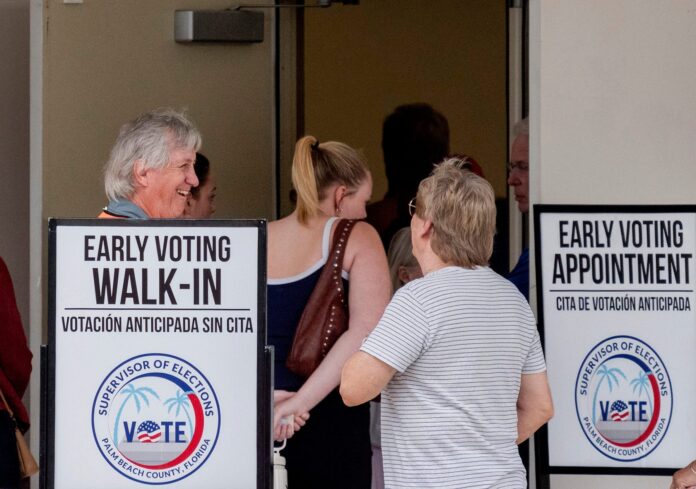
New York City voters went to the polls Tuesday and handed Mayor Zohran Mamdani a sweeping victory. All five ballot proposals aimed at overhauling the city government passed with comfortable margins. The results, based on unofficial counts from the Board of Elections, signal a major shift in how the city handles everything from sidewalk cafes to government contracts.
Mamdani’s Commission on Government Efficiency drove this agenda, seeking to cut red tape and speed up approvals. While the mayor celebrated the win, the changes have drawn sharp criticism from neighborhood groups who fear democracy is being traded for speed. The new rules will take effect March 1, 2027, fundamentally altering the relationship between local officials and the public.
Streamlining Permits and Public Space
The biggest change comes from Question 1, which secured 63.2% of the vote. This measure eliminates mandatory public hearings for revocable consents, covering things like outdoor dining permits and accessibility ramps, according to amNewYork. Under the new system, the City Council loses its authority to veto individual sidewalk cafe applications. Instead, local officials get 15 days to submit comments before a decision is made.
Supporters argue this is a necessary fix for a broken system. The commission estimated that these changes could slash approval times for outdoor dining from eight months down to about two months. Citizens Union and the Citizens Budget Commission backed the move, pointing to the heavy burdens of the current process. Yet, Common Cause New York resisted the measure, cautioning that public participation must not be sacrificed for quicker approvals.
Reducing Paperwork for Business
Question 2 also passed, capturing 61.6% of the vote to simplify the contracting process. This proposal allows the Procurement Policy Board to cut through the paperwork that often bogs down businesses and nonprofits seeking city contracts. The goal is to make it easier for smaller entities to compete for city work without getting lost in bureaucracy.
The 15-member Commission on Government Efficiency, appointed by Mamdani after he dissolved the charter commission left by former Mayor Eric Adams, created these changes. The commission argued that the old rules were holding back the city’s economic potential. By removing unnecessary hurdles, the administration hopes to boost local commerce and get projects moving faster.
Critics Sound the Alarm
Despite the landslide victory, the opposition is loud and clear. Some neighborhood groups opposed all five proposals, arguing that the changes undermine local control. A statement from The United Neighbors of Prospect and Crown Heights declared they “cannot support changes to the City Charter that further restrict or block public participation.”
Brooklyn for All of Us, another local advocacy group, voiced similar concerns about the loss of oversight. They argue that the public needs a seat at the table, even if it slows down the process.
Mamdani stated he supported all five measures with a yes vote, upholding the drive for efficiency. But the divide shows a deep tension in how New Yorkers view their government. Is speed more important than scrutiny? The results suggest a majority of voters want the city to move faster, even if it means fewer public hearings.
What Happens Next
The Board of Elections will certify the results later this week as absentee and mail-in votes are counted. Once certified, the clock starts ticking toward the March 1, 2027 implementation date. City agencies will need to rewrite their procedures to match the new charter rules before then.
For New Yorkers, this means a new era of city governance is on the horizon. The debate over public participation versus efficiency is far from over, but the voters have made their choice clear. The city will now move to speed up its operations, with or without the full input of every community board.
This is opinion and commentary from the RapForMayor team.