
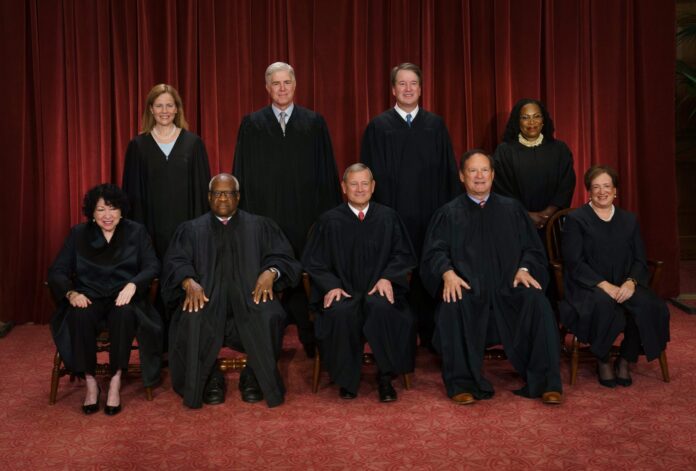
Mayor Zohran Mamdani is under fire to fix the racial imbalance at New York City’s specialized high schools, but a legal battle in Maryland might tie his hands. The U.S. Supreme Court agreed to hear Association for Education Fairness v. Montgomery County Board of Education, a case that challenges test and lottery systems designed to boost diversity. If the high court rules against the Maryland plan, it could severely limit how the city handles its own admissions reforms.
Education experts fear the decision will lock in current demographics rather than open doors for more Black and Latino students. As the city debates how to address the sharp underrepresentation in these elite schools, the legal path forward is getting narrower.
The Legal Threat Looming Over City Schools
The case before the justices involves a magnet middle school system in Montgomery County that used a lottery based on neighborhood test-takers to increase enrollment diversity. This legal challenge comes as New York City grapples with decades of segregation in its public school system. Many parents and officials are pushing for specific plans to change who gets into schools like Stuyvesant and Bronx Science.
David Bloomfield, an education professor at Brooklyn College, warned that a ruling against the Maryland system could have immediate consequences for New York. He told Gothamist that the outcome might “freeze in time the racial makeup of every screened program in New York City.” This would make it nearly impossible for the city to implement policies that consider race or neighborhood demographics to achieve equity.
Arguments From Both Sides of the Debate
The lawyers representing the challengers argue that individual students of Asian and white backgrounds were harmed by the current systems. Gothamist was told by Dean McGee, a lawyer for the Pacific Legal Foundation, “If a program is racially discriminatory and it hurts a single student of that race, that should be enough to bring a lawsuit to challenge it.” His group has brought similar cases in federal courts to strike down race-conscious admissions.
However, Richard Kahlenberg, a noted expert on affirmative action, expressed concern that a victory for the plaintiffs would cement the status quo. He told Gothamist, “That’s the worry, that you freeze in an unfair status quo, and any reform that negatively impacts white or Asian students would be cause for concern among those on the right.” Despite this, McGee insisted that a ruling for the challengers would not necessarily stop all reforms, but would force policymakers to change their approach.
McGee argued that officials would need to focus on fixing failing schools directly rather than using race as a primary metric. He stated that the ruling would prohibit them from “viewing (reforms) through a strictly racial lens and implementing policies for specific racial goals.” Instead, he suggested the focus should be on asking, “How do we benefit individual students? How do we fix failing schools?”
The Supreme Court’s upcoming term will determine whether New York City can pursue the admissions changes Mayor Mamdani and others are calling for. Excluding too many minority students, critics say the Specialized High Schools Admissions Test (SHSAT) system, which eight specialized high schools in the city currently rely on. Without the legal flexibility to use race-neutral alternatives that still consider demographic factors, the city’s options are shrinking.
This is opinion and commentary from the RapForMayor team.