
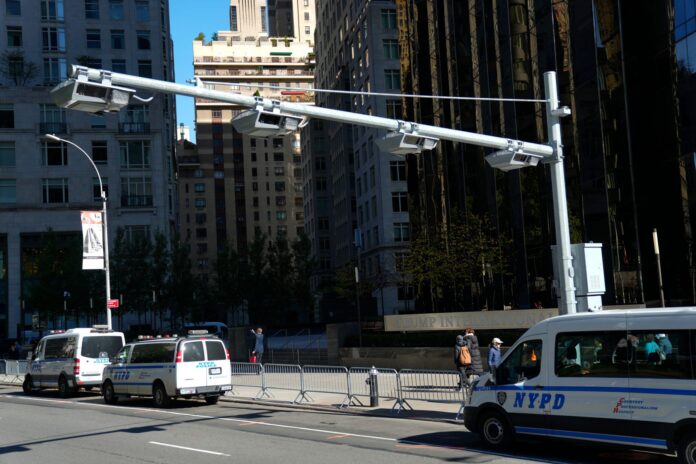
The federal Department of Transportation is back in court to claim President Donald Trump holds unlimited power to scrap New York City’s congestion pricing. Federal attorneys argued on Wednesday that the administration can change its mind and revoke the toll program at any time, regardless of previous approvals. This legal stance treats the president’s whim as the final law, a position that ignores the binding contract between the city and the federal government.
Judge Lewis Liman already ruled in March 2026 that the MTA’s lawsuit against the federal government was valid, rejecting the idea that the president can simply override financial agreements. Despite that decision, the Trump administration filed a brief in June appealing the ruling. The feds now insist that the Federal Highway Administration possesses the inherent power to reconsider and revoke its own regulatory grants whenever it pleases.
The Legal Argument Against the MTA
Department of Justice attorneys laid out two main points in their latest filing to the court. First, they claim Judge Liman lacked the authority to hear the case because the dispute centers on a financial contract. If the feds are right, the case should have been moved to the specialized Court of Federal Claims rather than the general Article III court system. This technical argument attempts to bypass the judge who already sided with the city.
The second argument shifts the focus to agency power. Instead of claiming the president is a sovereign above the law, lawyers argued that the FHWA can simply reverse its decisions. The brief stated, “[E]ven if the Agreement were considered in [Administrative Procedure Act] terms, not as a contract but as a ‘regulatory grant of approval to build toll infrastructure on a federal aid highway,’ or perhaps as a similar agency action granting a benefit or establishing a federal program, the agency would have the inherent power to reconsider and revoke it.”
Stephen Miller and the Political Push
This legal battle happens as Stephen Miller takes a more prominent role in the White House. Reports from the New York Post detail how Miller’s promotion to a key staff position has drawn sharp criticism from Democrats and media outlets. Rep. Hakeem Jeffries called Miller a “stone cold racist,” a charge the administration rejects as slander. The New York Times ran a headline claiming “Miller pursues agenda voters have rejected,” a point the White House disputes.
Miller, a longtime immigration hawk, is known for his deep knowledge of government laws and precedents. His machine-gun style of speaking and often contemptuous demeanor have made him a target for political opponents. Despite the backlash, he remains a central figure in setting the administration’s agenda, including the push to end the Manhattan toll.
Why the Contract Still Matters
The core issue remains the agreement signed to build the toll infrastructure. The MTA sued the federal government specifically because the administration tried to kill the program after it was approved. The court in March found that the government cannot unilaterally break this deal. The current federal brief essentially asks the court to endorse the idea that the president’s desires override written contracts and established law.
New Yorkers have already paid for the infrastructure and the legal fight to keep the program alive. The federal government’s latest attempt to claim “king-like” power ignores the reality that the courts have spoken on this matter before. The administration’s brief asks for a ruling that would allow the FHWA to do whatever it wants, whenever it wants, without legal restraint.
The federal appeal of Judge Liman’s March decision continues to move through the court system, with the outcome determining if the congestion pricing tolls can proceed as planned.
This is opinion and commentary from the RapForMayor team.

