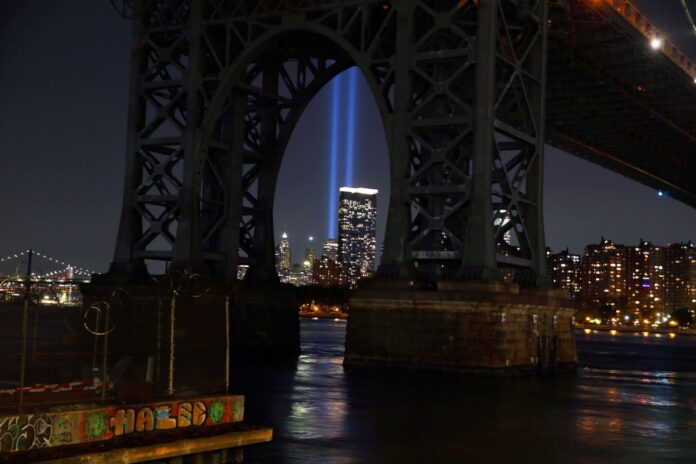
Manhattan’s Financial District has transformed from a quiet office hub into a vibrant residential zone, but a similar shift in Brooklyn is sparking a fierce battle. While FiDi agents once struggled to convince people to live downtown, Williamsburg now faces the opposite problem: too much growth and not enough city services to handle it. This tension has led to a proposal for a Business Improvement District (BID) that property owners and residents are fighting over with equal intensity.
Katie Denny Horowitz, executive director of the North Brooklyn Parks Alliance, proposed the Northside Williamsburg BID to address the growing mess in the neighborhood. She noted that the area has seen a major uptick in development, leading to complaints about filthy streets and parks that city crews cannot clean fast enough. Horowitz argued that the city’s budget is not increasing to match the demand created by new businesses and residents.
The Push for a New Business District
Horowitz along with Councilmember Lincoln Restler spearhead the effort to establish a BID spanning from Grand Street to North 15th Street. Property owners are requested by the plan to contribute to a special fund covering additional street cleaning, lighting, and public art initiatives.
These proposed fees depend on a property owner’s holding size and assessment, potentially increasing their current tax bill by hundreds or even thousands of dollars. Horowitz explained the strain on local services, noting, according to Gothamist, “All those people are bringing with them things like trash […] The city’s budget isn’t necessarily increasing at the same time to be able to pick up the trash faster.”
Residents Fear Privatization and Profit
Despite the promise of cleaner streets, the proposal has met with significant pushback at community meetings. Opponents argue that the BID favors wealthy landlords and threatens the character of the borough. A Change.org petition against the plan warns, “This BID is being developed with the wealthiest landlords and interests that will prioritize privatization and profit over the community’s well-being.”
Critics also worry that the new fees will drive out smaller businesses and affordable housing. The petition states, “Northside BID threatens to alter the very fabric that makes Williamsburg unique and inclusive. The BID will decimate any below-market commercial or residential spaces that exist.” The legal battle over the initiative has already moved into the courtroom as residents fight to protect their neighborhoods from what they see as forced privatization.
A Broader Shift in How Cities Work
The debate in Williamsburg mirrors a larger national conversation about how to fund urban services. While the Trump administration once opposed congestion pricing, the Federal Highway Administration recently announced $100 million in grants for cities to implement similar traffic management programs. MTA Chair Janno Lieber called the shift in federal policy a “remarkable about-face,” suggesting the success of New York’s toll program has influenced Washington.
This federal support for tolling and traffic management highlights the growing pressure on cities to find new revenue streams for infrastructure. As Williamsburg and other neighborhoods grapple with rapid growth, the question remains whether private funds or public programs will better serve the long-term needs of the community.
This is opinion and commentary from the RapForMayor team.