
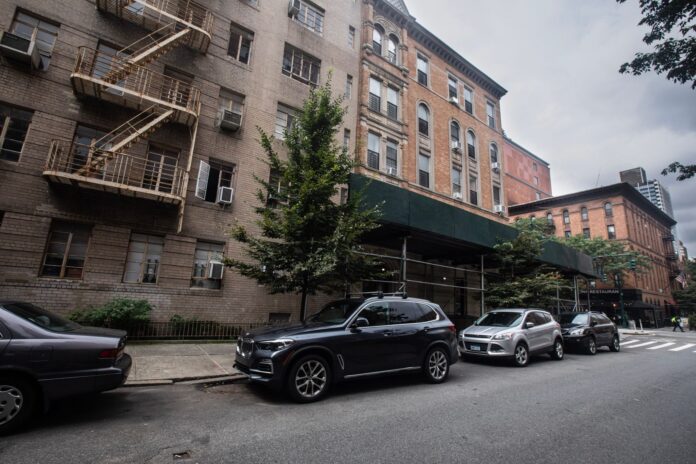
New York Mayor Zohran Mamdani froze rents on roughly 1 million apartments as part of his affordability platform, but the move has already triggered a panic in the housing market. While New York doubles down on strict controls, Argentina is showing the world what happens when a government actually frees the market. The results from Buenos Aires under President Javier Milei offer a stark contrast to the path Mamdani has chosen for the five boroughs.
Under the previous 2020 rental law, Argentina required contracts to run at least three years and capped annual rent increases based on a blend of inflation and wage growth. The law also mandated payment in pesos only and made it nearly impossible for landlords to terminate leases early. These restrictions did not lower costs; they crushed supply. In the year the law was enacted, rents accelerated 1.7 times faster than inflation, then surged an additional 50 percent during 2023.
The Cost of Rent Control
Faced with these impossible math problems, property owners set extraordinarily high initial prices just to cover expected inflation. The result was a massive exodus of long-term rental listings, which plunged by 53 percent over three years.
Landlords fled to short-term rentals like Airbnb, turning a formal housing market into an informal one. The government realized that state action had caused the unaffordability in the first place. Instead of tightening the screws, Milei’s administration launched the Ministry of Deregulation and State Transformation to fix the mess.
Deregulation in Action
President Javier Milei put economist Federico Sturzenegger in charge of the new ministry, tasking him with dismantling decades of cronyist policies. The administration has been butting heads with entrenched unions and beneficiaries of the old system to clear the path for growth. This approach stands in direct opposition to the “freeze the rent” strategy that Mamdani championed during his campaign.
While New York sees listings vanish, Argentina is seeing the benefits of letting prices adjust. The deregulatory push is being watched closely by critics of overregulation in Europe and the United States. Milei is offering a working example of how to handle a housing crisis without driving supply underground.
Reliable Services for Everyone
The benefits of deregulation extended beyond housing into internet speeds and airfares. Before the changes, internet services in rural areas were slow, expensive, and unreliable. Gassiebayle, a resident near a small town, noted that weather often knocked out power and connectivity. “whenever there was wind or rain, the power in town would always go out, so we’d lose both power and internet,” he said. He added that providers would sometimes cut power preventively to avoid electrical risk.
With the new reforms, coverage is expanding beyond just the farmhouse, and reliability is improving. The government is removing barriers that kept private providers from serving these areas. This shift proves that competition works better than mandates when it comes to essential services.
Milei’s administration continues to push forward with these changes as the December 2026 issue of Reason Magazine highlights the progress.
This is opinion and commentary from the RapForMayor team.

