
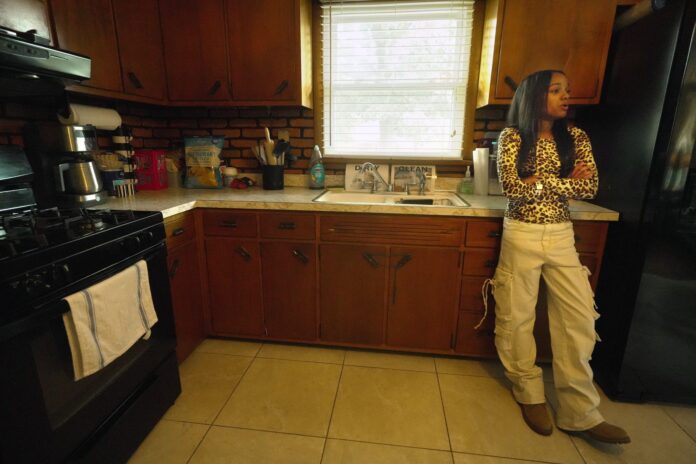
Family members in New York City are doing the heavy lifting for the sick and elderly, yet the system largely ignores them. On Thursday, Nov. 12, advocates from AARP New York and the Department for Aging gathered on the steps of City Hall to highlight this crisis during National Family Caregivers Month. 3.9 million New Yorkers provide $58 billion in unpaid care every year but receive little help in return.
Kitty Ruderman, 80, lived in Rego Park while her mother, Ruth Thebner, lived just one floor below. Ruderman spent years balancing her job with morning and evening care after her mother was diagnosed with breast cancer. She only realized her role later in life.
The Hidden Cost of Love
The financial burden on these families is crushing. AARP data shows that caregivers in New York and the Mid-Atlantic region spend an average of $15,845 out of pocket every year. This is money taken directly from savings or retirement funds to keep loved ones at home. Annie King Stevens, who looked after her husband prior to his placement in a nursing home, clarified the reason for the sacrifice. “You’re doing it because you love the person,” Stevens said, according to amNewYork. “I didn’t realize I was a caregiver. I was just taking care of my family and my husband.”
While home healthcare aides are fighting for better pay and conditions, family caregivers remain the forgotten piece of the puzzle. They are the ones preventing nursing home placements, yet they lack formal support. “Every day, New Yorkers make extraordinary sacrifices to care for the people they love,” AARP New York State Director Beth Finkel said. “New research shows just how much they are taking out of their own pockets to do it.”
Housing as Healthcare
The push for support extends beyond just family members to the broader issue of housing and health. NYC Health and Hospitals released a new study showing that providing housing to homeless patients reduces their healthcare expenses by almost $17,000 per person within the first two years. Helping 259 New Yorkers secure apartments or supportive housing is the focus of the initiative. Their emergency room visits and hospital admissions dropped significantly as they received more preventive care.
Leora Jontef, who leads the Housing for Health initiative, noted that the city must address the needs of its most vulnerable residents. “We have to think about our robust patient population that experiences homelessness,” Jontef said, according to Gothamist. “This patient population is sicker than housed New Yorkers.” The public hospital system serves more than 60,000 patients a year who are homeless or unstably housed, many of whom are frequent flyers in the emergency department.
A Call for Action
Advocates believe that available resources are often unused because family members do not identify as caregivers or know where to turn. The rally at City Hall aims to change that narrative and force the administration to act. The city needs to stop treating family care as a private problem and start providing public support. Without this shift, more families will burn out, and the cost to the healthcare system will only rise.
The rally on Thursday, Nov. 12, marked the start of a month-long push to get these issues on the agenda.
This is opinion and commentary from the RapForMayor team.

