
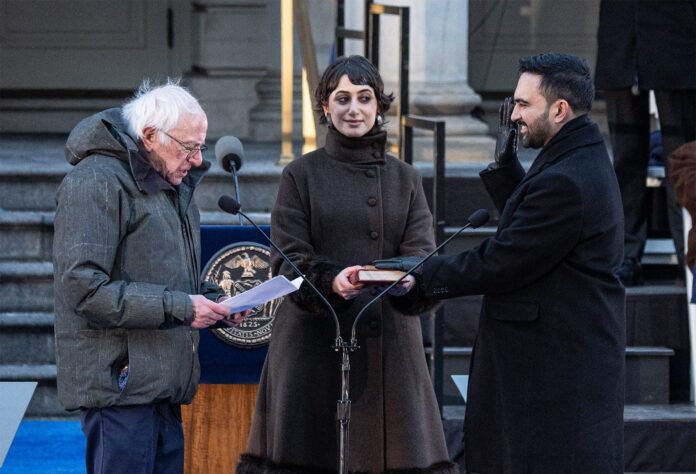
Mayor Zohran Mamdani has asked the City Council to push back the deadline for shutting down Rikers Island until 2032. This move fixes a legal snag regarding state law but leaves a far more dangerous problem wide open. The city is still committed to building a new jail system with half the capacity of the current facility.
While the new timeline avoids an immediate conflict with the state, the underlying plan to drastically reduce inmate housing remains unchanged. Critics argue this ideological approach to incarceration ignores the reality of judicial needs and public safety.
A Legal Patch, Not a Solution
New York state law requires the city to have replacement facilities ready before it can close existing jails. The original 2027 deadline set by the City Council was never legally enforceable because the new jails would not be built in time. By moving the date to 2032, the administration buys time to meet the letter of the law regarding construction timelines.
However, the core issue remains that the four new borough-based jails will hold only about 4,100 inmates. The current Rikers Island complex has a capacity of roughly 15,000 people and currently houses more than 6,600. This massive reduction in space is not an accident; it is the foundation of the administration’s strategy.
Since the plan was first announced in 2019, city officials have openly stated that reducing the number of people in jail is the main goal. The mayor’s office website explicitly states, according to the New York Post, “New York is leading a historic decarceration plan to close Rikers Island and replace it with a smaller network of safer modern jails.”
Taxpayers Funding a Social Experiment
To make up for the reduced jail space, the administration is expanding a program that pays families to house relatives released from prison. The “Kinship Reentry Housing Program” will grow from supporting 50 families to 300 families under the new five-year plan.
Mayor Mamdani intends to spend $3.55 million on this program this fiscal year, with plans to increase that to $7.1 million in subsequent years. Currently, the Osborne Association, which manages the initiative, provides families $500 monthly for a maximum of 12 months to assist with housing expenses.
City Council members have slammed the expenditure as a waste of public funds. Council Minority Leader David Carr called it a “reckless use of taxpayer money on a social experiment that could go horribly wrong.” He added, “In Mamdani’s New York, crime really does pay.”
Councilwoman Joann Ariola pointed out the double burden on residents, stating, “New Yorkers are paying for crime twice, first for the offense and then again to pay for these programs.” Councilman Phil Wong echoed the frustration, noting, “Only in New York City do we come up with a program that pays families to take in their own relatives coming out of jail.”
The Danger of Purposeful Shortages
Due to ideological opposition to incarceration rather than a decline in criminal numbers, the city is intentionally constructing a jail system with reduced capacity. This approach clashes with the constitutional powers of the judicial branch, which may require more space to handle sentencing and pre-trial detention.
By ignoring the need for adequate housing for inmates, the administration risks a future legal crisis where courts order the city to house more people than the new facilities can hold. The delay to 2032 solves the timing issue but does nothing to address the structural deficit in the new jail network.
The plan relies on the assumption that the judicial system will accept a smaller jail population, a gamble that could lead to overcrowding or legal injunctions. The city has spent $8.2 billion budgeted for the four new jails, but rising costs and delays could push the total to at least $16 billion.
The City Council must now vote on whether to accept the mayor’s request to extend the Rikers closure deadline to 2032.
This is opinion and commentary from the RapForMayor team.