
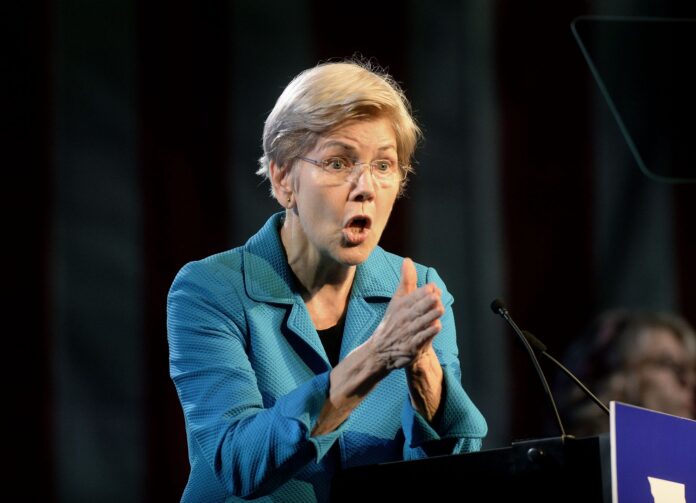
New York is watching a bizarre political moment where President Donald Trump and Senator Elizabeth Warren find common ground on an idea that could destroy access to credit for millions. Both leaders are pushing to cap credit card interest rates at 10 percent, a move that sounds generous on the surface but threatens to cut off legitimate borrowing for those who need it most. This plan ignores how lending works and risks pushing vulnerable New Yorkers toward illegal lenders who charge far more.
The push for this cap brings together two figures who usually clash on every other issue. Senator Warren confirmed the momentum in a recent interview, while President Trump laid out the specific timeline for the restriction. The result is a policy that experts say will hurt the very people it claims to help by making banks refuse to lend to anyone with a shaky financial history.
Bipartisan Push for a Cap
The alliance between the White House and the Senate is clear on this economic proposal. “President Trump himself said that he wants to reduce interest rates on credit cards to 10 percent,” Sen. Elizabeth Warren told CBS’s Margaret Brennan on Sunday, according to Reason Magazine.
President Trump originally announced this plan on Truth Social back in January, setting a hard deadline for implementation. He wrote, “Effective January 20, 2026, I, as President of the United States, am calling for a one year cap on Credit Card Interest Rates of 10%.” His post claimed the move would stop the public from being “ripped off” by companies charging rates between 20 and 30 percent or higher.
Why This Hurts Borrowers
History shows that forcing interest rates down does not make loans cheaper; it simply makes them disappear for high-risk customers. A federal study from 2021 examined similar caps in Arkansas and found that the restrictions caused finance companies to leave the state entirely because they could not profit from lending to nonprime consumers.
Researchers found that “results of our analysis suggest that nonprime consumers in Arkansas were rationed” in terms of access to credit. The cap forced banks to loosen restrictions just to allow some consumers to escape the restrictive effects of the low ceiling, but even then, many people lost their ability to borrow money legally. This dynamic pushes people toward underground lenders who charge much higher rates without any consumer protections.
Experts Warn of Market Collapse
Economic experts argue that a 10 percent cap would break the current business model of the credit card industry. “A federal-government-imposed cap on credit card annual percentage rates (APRs) as severe as 10 percent would likely upend the credit card industry’s current business model,” said Paul H. H. from the American Enterprise Institute.
Financial institutions might respond by canceling accounts for anyone with weak credit scores rather than offering new terms with high fees or collateral. Finance professor Thomas W. Miller Jr. In 2021, the reality was detailed to the U.S. Senate Committee on Banking, Housing, and Urban Affairs, with the observation that “an interest rate cap does not make loans less expensive; it makes loans less available.”
This is opinion and commentary from the RapForMayor team.

