
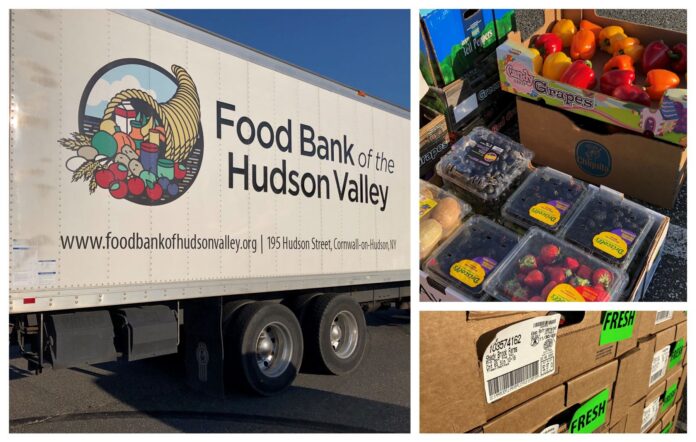
Food pantries are now the backbone for 1.3 million New Yorkers who still can’t put food on the table despite holding down jobs. A fresh report released Monday from the Robin Hood Foundation and Columbia University exposes a harsh reality: working isn’t enough anymore. With federal cuts to SNAP tightening the belt, emergency food providers are filling a gap that paychecks simply cannot cover.
The data reveals that 55% of pantry users are employed or live with someone who works. Yet nearly half of these families faced a major financial shock last year, like a job loss or a sudden medical bill. This is about the unemployed and the working poor who are one bad month away from hunger.
The Limits of Charity
Researchers warn that while these pantries are doing heavy lifting, they are not a permanent fix. However, Christopher Wimer, a co-author of the report, stated clearly that “Pantries make a real difference, but our findings also show their limits. They complement public food assistance and cannot replace it.”
Richard Buery, Jr., CEO of Robin Hood, emphasized the urgency of the situation in a statement. He noted, “Work should be enough to put food on the table. For too many New Yorkers, it isn’t.” The organization is calling for protection of federal programs because pantries cannot absorb the shock of further SNAP cuts on their own.
Shrinking Safety Nets
The situation is getting more precarious as government rules change. Gothamist reported that over 26,500 New Yorkers lost their monthly food assistance this year due to new work requirements. “People will skip meals. They’ll rely on friends and relatives. They’ll borrow money,” Gordon said, adding that many are taking on increased credit card debt just to eat.
Sarah Oltmans, chief of grant strategy for Robin Hood, pointed out that the system is strained. “We’re seeing that pantries are really filling these gaps that the paychecks aren’t able to do,” she said. The report found that 31% of the city’s population sometimes or often runs out of food, with another 500,000 experiencing severe food hardship.
A Costly Holiday Ahead
While pantries try to help, the cost of the holidays is also climbing, adding more pressure to tight budgets. The New York Post noted that New Yorkers are facing prices nearly 20% higher than the national average for Thanksgiving staples. With diesel prices up 70%, the cost of a frozen turkey has jumped to $1.26 a pound, making a 15-pound bird cost nearly $19.
Experts suggest flexibility is the only way to survive the financial squeeze. Francisco Martin-Rayo, an agricultural tech CEO, advised shoppers to “don’t be so tied to the traditional Thanksgiving meal” as they get through these rising costs. The combination of shrinking federal aid and soaring grocery prices leaves millions of New Yorkers in a dangerous spot.
This is opinion and commentary from the RapForMayor team.

