
New York City Family Court just decided to operate with less information, not more. This month, the administration declared that judges will face severe limits on mandating on-site drug tests for parents in child welfare cases. This move comes after a federal lawsuit filed by the Bronx Defenders argued that such tests gave judges “unchecked discretion” and felt “biased and harassing” to parents.
The city simply caved to the pressure. Now, only lawyers for the child or the parent can request a drug test, removing that critical tool from the judge’s discretion. Uninvolved observers are barred from hearing results under the new rules, which also require tests to be conducted by a staffer sharing the parent’s “gender identity.” While the city claims this protects fairness, the result is a system that ignores the reality of substance abuse in 90% of these family cases.
Hamstrung Judges and High Stakes
Ronald Richter, a former Queens family court judge who later led the ACS under Mayor Mike Bloomberg, understands the gravity of these choices. He faced this exact situation regularly in his courtroom before the rules changed. “As a judge, you don’t want to remove the child,” he said, according to the New York Post. Instead, he would ask a parent’s lawyer, “Will your client consent to take a test in the courthouse?”
This simple question helped determine if it was safe to send a child home with a parent during the initial phases of a case. Richter noted that a clean drug test often helps a parent regain custody. He compared the ability to order a test to a judge’s power “to order a short mental health evaluation” of a parent “to determine whether they are a danger to themselves or others.” Without this capability, the court loses a vital mechanism for ensuring safety.
A Mayor’s Priorities
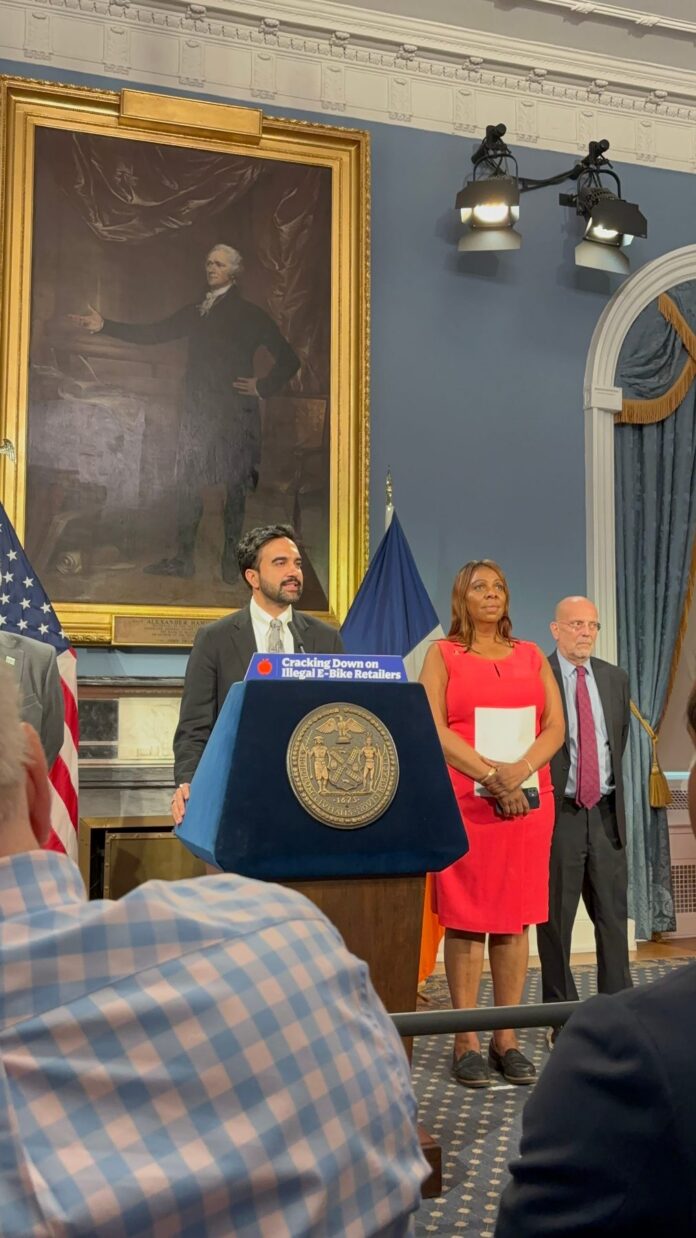
Mayor Zohran Mamdani defended the appointments and the policy shifts with high-minded language. “The decision made in our courts can change the course of a New Yorker’s life,” Mamdani said in a statement, according to the New York Post. He added, “That is why the people entrusted with serving on the bench must bring the highest standards of fairness, integrity and accountability to their work.” Yet, the administration also appointed 10 new judges, six of whom are current or former public defenders, including those with reputations for leniency.
The report highlights judges like Valentina Morales, nicknamed “Judge Let-em-Go” by law enforcement for releasing violent felons without bail. During the first half of 2024 alone, she released 83 alleged violent felons out of 101 to walk free. The pattern continues with other appointees who have ignored prosecutorial pleas to hold career criminals. The combination of removing drug testing tools and staffing the bench with activists raises serious questions about who is actually protected in this new system.
The Human Cost
The database Lives Cut Short tracks the tragic outcomes of these failures. While it remains unknown if a courthouse drug test might have stopped Jazeli’s tragic death, eliminating this tool strips away a protective layer. Parents who are sober can prove it quickly, while those struggling with addiction are left in a gray area where safety is guessed rather than verified.
Restricting judges’ ability to figure out if a parent is sober does not make the system fairer; it makes it dangerous. The city has tied the hands of the very people tasked with keeping children safe. When the court prioritizes the “indignity” of a test over the safety of a child, the balance tips too far away from the most vulnerable New Yorkers.
This is opinion and commentary from the RapForMayor team.