
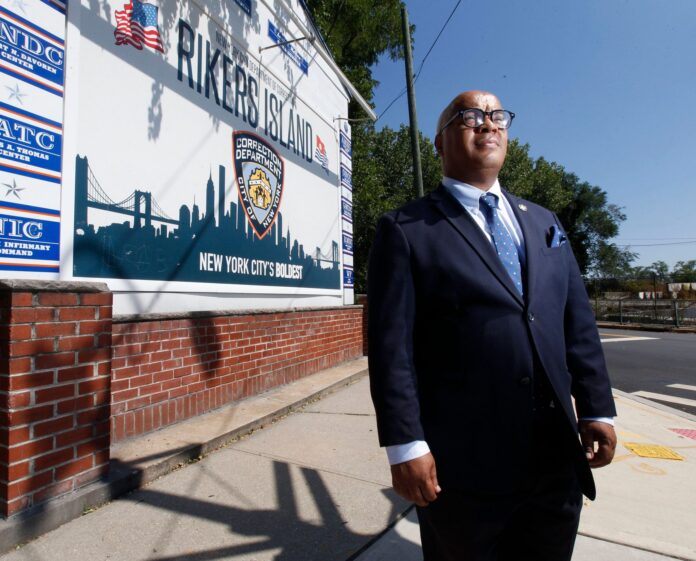
Mayor Zohran Mamdani unveiled a new strategy on Friday to shut down Rikers Island, but the math simply does not add up for New York City safety. The plan aims to empty the notorious jail complex by 2032, yet it relies on building only 4,100 replacement beds for a current population of roughly 6,600 inmates. This gap means the city must drastically cut its jail numbers, a move that critics say will force the release of dangerous individuals charged with murder and violent felonies.
The mayor’s office insists this is a necessary step to fulfill a moral duty, but the numbers reveal a harsh reality for the boroughs. With the new borough-based jails still years away from opening, the city faces a deficit that leaves no room for thousands of current defendants awaiting trial. If the city builds the proposed facilities today, it would still lack the capacity to hold those accused of the most serious crimes in the city.
A Delayed Deadline and Rising Costs
Mamdani officially acknowledged that the city will miss the legally mandated August 2027 closure date, pushing the target to the end of 2032. This five-year extension comes as the construction of four new borough-based jails continues to face significant delays and community opposition. The price tag for these projects has swelled to approximately $16 billion, a figure that grows as timelines slip. The first facility in Brooklyn is not scheduled to open until 2029, followed by the Bronx and Queens in 2031, and Manhattan in 2032.
To make the math work, the administration plans to reduce the jail population by nearly 40 percent, or about 2,500 inmates, over the next five years. The strategy includes speeding up case processing, expanding electronic monitoring, and spending $146 million on “evidence-based supports that help break the cycles of incarceration.” Mamdani wrote in a letter accompanying the plan, according to Gothamist, “Our administration is determined to meet our moral and legal obligation to close Rikers Island once and for all.”
The Math on Violent Offenders
The core issue lies in who currently sits behind bars at Rikers. Out of 6,640 inmates, about 5,606 are defendants awaiting trial, and of those, 4,058 are charged with murder or violent felony offenses like rape, robbery, and assault. If the city only has 4,100 beds available and 1,100 of those are needed for sentenced prisoners, only 3,000 beds remain for the pre-trial population. This shortage forces the release of roughly 1,000 individuals charged with murder or violent felonies to fit the new capacity.
Benny Boscio, president of the NYC Correction Officers’ Benevolent Association, criticized the proposal as irresponsible in a statement. He noted, “The City cannot keep the jail population at around 4,100 without irresponsibly releasing individuals who committed violent felony charges and jeopardizing public safety.” The plan effectively prioritizes closing the island over maintaining a secure holding capacity for those accused of the city’s worst crimes.
Concerns Over Neighborhood Facilities
Experts warn that simply moving the jail population to new locations without broader reform could spread danger into residential areas. She stated that without broad reform across the Department of Correction, the city “risks merely exporting the violence of Rikers into new ZIP codes when the neighborhood-based facilities are completed.”
The Department of Correction has already seen at least nine deaths in custody this year, highlighting the volatility within the system. The new facilities promise smaller housing units and better sightlines, but the timeline for their completion suggests a long road ahead.
The City Council is expected to introduce legislation to amend the 2027 closure deadline in the coming weeks to match the new 2032 timeline. This is opinion and commentary from the RapForMayor team.

